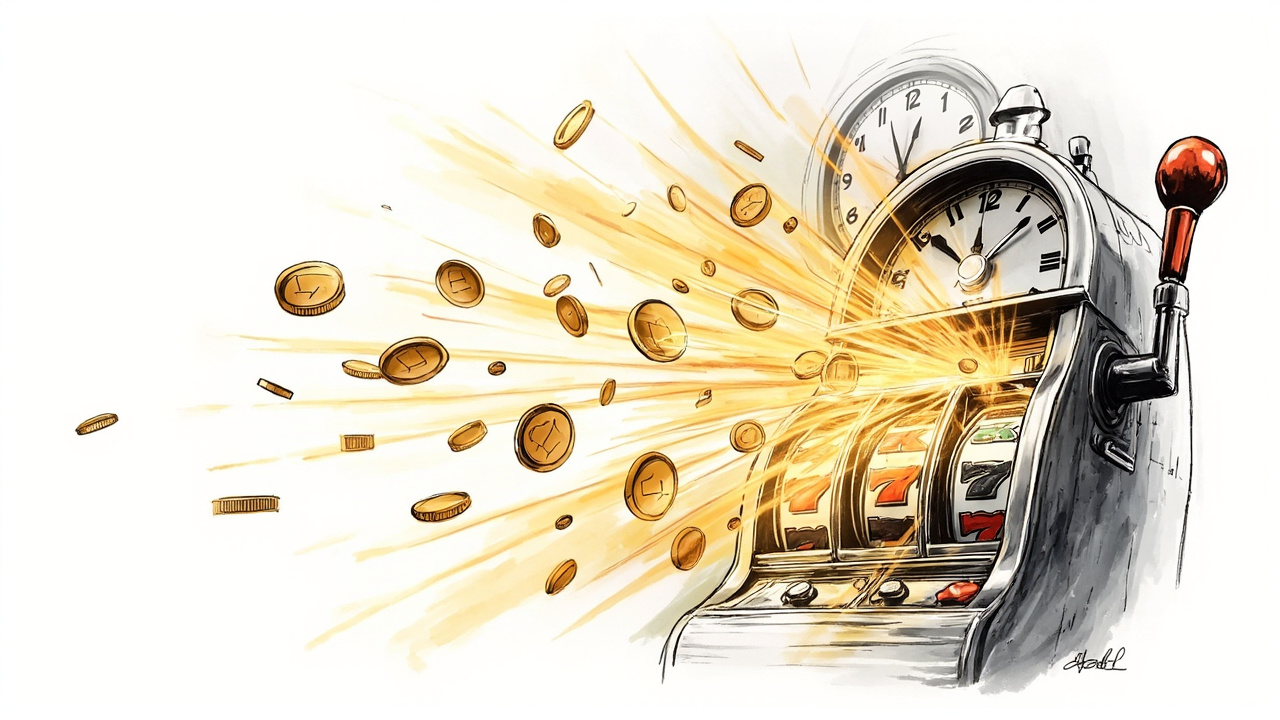
Keno for punters is a numbers game that rewards patience more than speed, and the real test is often the cashier flow rather than the draw itself. We have modelled player retention curves for professional-services growth for years, and the pattern is familiar: friction at the deposit stage kills engagement faster than a cold streak ever could. This read walks through where the money moves, what the screens actually promise, and how to keep the session honest before the arvo tea break ends.
Cashier flow and what actually moves money

The first thing worth checking is playvegashero.org how the cashier behaves when you are trying to move funds in and out, because a smooth deposit means little if the withdrawal queue is a mess. Keno for punters tends to sit inside broader lounge ecosystems, so the payment rails are usually the same ones you would see on a sportsbook, just with different limits and timing. In our experience mapping transaction pipelines, a clean two-step verify-and-pay flow beats a fancy bonus offer every time, and that is the standard we apply when judging any operator. The sensible setup accepts Australian dollars at the point of deposit, keeps the conversion out of the player’s hands, and shows the pending balance before you confirm rather than after. A few operators still sneak in a third-party wallet step that adds a day to the timeline, and that is the kind of friction that turns a casual session into a frustrated one. If you are comparing venues, look for a cashier that lets you set a deposit ceiling before you play, not one that asks you to remember your own limit after the fact. The payment methods that hold up over time are the boring ones: card rails, trusted e-wallets, and direct transfer where the operator actually supports it. Anything that pushes you toward an obscure gateway is a sign to slow down and read the terms before you tap confirm. For players who want a broader sense of how to pick safer online options, the CRUKS Inschrijven And Safer Online Casino Choices piece covers the registration and self-exclusion layer that sits upstream of any deposit decision, and it is worth a look before you fund an account. The real test is whether the flow stays readable when you are tired after a long shift, because that is when most bad decisions happen.CRUKS Inschrijven And Safer Online Casino
Odds, screens, and the misconception worth clearing
A common misconception is that keno is a slow grind where the house edge quietly does all the work and the player has no real say, but the reality is more nuanced because the pace and the ticket size are both in your hands. The draw itself is random, and no screen pattern, colour, or “hot number” history changes that, yet the way you structure tickets can make the session feel very different from one minute to the next. We have seen predictive models get overconfident on short streaks in other markets, and the same humility applies here: the model can tell you the expected loss over a thousand tickets, not which row hits on a Tuesday arvo. Clocks are now required on some Australian gaming floors by regulation, and that is a useful reminder that time, not just money, is the resource you are spending. The screens can make a session feel shorter than it is, especially when the room is busy and the next draw is only a moment away, so a visible clock is a small thing that does real work. If you are playing online, the same principle holds: set a session timer before you start, because the interface will not do it for you. The nuance is that keno is not inherently worse than other lounge games on the edge alone; it is the combination of fast draws, low minimum tickets, and the temptation to chase that creates the risk. A ticket that covers more numbers costs more per game and pays less often, while a tight ticket costs less and waits longer, and neither approach changes the underlying maths. The honest read is that the game is a leisure spend with a known cost, not a puzzle you can solve by watching past draws.
Payment limits, verification, and the Darwin reality
Payment limits and verification are where a lot of players hit a wall they did not see coming, and the details matter more than the marketing copy. A well-run lounge will show you the deposit ceiling, the withdrawal window, and the identity checks before you put money in, not after you have already won something and want it out. In our work on automated onboarding for professional services, we learned that a clear verification step at the front saves a pile of disputes later, and the same logic applies here: the identity check is not a personal slight, it is the price of a clean payout. For players in Darwin, the practical reality includes local time zones, regional bank processing, and the occasional delay when a transfer crosses states, so a withdrawal that looks instant on paper may still take a business day or two to land. No worries if the cashier is upfront about that, because a stated window is better than a silent queue. The currency should be Australian dollars end to end, with no hidden conversion tucked into the bonus terms, and the limits should be visible in the cashier before you deposit, not buried in a FAQ. If you are comparing operators, the one that lets you see your pending withdrawal status without a support ticket is usually the one that treats the cashier as a real product rather than a back-office function. A short word from Alice Lee, Compliance Director, Yarra Gaming Lab, puts it plainly: “A clean verification flow is the cheapest insurance a lounge can buy, because it stops the payout disputes before they start.” The lesson is to treat the cashier like the first part of the game, not an afterthought, and to pick the operator whose limits and timing you can actually live with.wanted dead wild
Session discipline, chasers, and the Cup-week effect
Session discipline is where the difference between a paid-for night out and a regretted morning shows up, and the single biggest trap is chasing losses by betting more to recover money lost. That behaviour is a core feature of harmful gambling, and no bonus or loyalty point makes it safer; it just makes it more expensive. We have run retention models that flag the exact moment a player’s stake starts climbing after a cold run, and that is the signal to step away, not to double down and hope the next draw fixes it. Melbourne Cup sweeps reach even Australians who never otherwise bet, and the same social pull can show up in a keno lounge when the room is loud and the draws are coming thick, so a pre-set limit is the only reliable brake. A note from Andrew Murray, Responsible Gambling Adviser, Harbour Bet Insights, captures the point: “The moment a player starts betting to recover, the game has already stopped being leisure, and that is the line no screen can redraw.” For anyone who wants a concrete process, here is the sequence that keeps the session readable: 1) set a loss ceiling and a time limit before you buy the first ticket; 2) pick one ticket size and stick to it for the session; 3) check the cashier limits and the withdrawal window before you deposit; 4) stop when the time limit hits, regardless of where the numbers land; 5) if you feel the urge to raise the stake after a loss, walk away and come back another day. A final word from Mia O’Brien, Senior Market Analyst, Ironbark Compliance Advisory, lands on the same track: “The players who last are the ones who treat the limit as part of the game, not as a suggestion they can override when the room gets busy.” The wanted dead wild lounge ecosystem is one option in a crowded market, and it is worth reading the terms before you put money in rather than after the draw is already running.

Keno for punters is a leisure game with a known cost, and the smartest move is to treat the cashier, the limits, and the clock as part of the play rather than an annoyance around it. Pick an operator whose payment flow and verification steps you can read in a minute, set your ceiling before the first ticket, and walk away when the time limit hits. That is the only approach that keeps the session a paid-for night out instead of a morning you would rather forget.