
Progressive jackpot pokies have always held a particular pull for playcrococodes.com Sydney punters chasing a life-changing payout, but the mechanics behind those climbing prize pools are often misunderstood. A well-built lobby pairs a sensible game mix with clear prize tracking, so you can see where a jackpot sits before you commit. The right operator will show you the current meter, the trigger method, and the contribution rate without hiding the details behind marketing copy. If you want a straightforward read on how those pools behave in practice, start with a buffalo game run-through that shows how a fixed-volatility slot differs from a pooled prize machine.
How the Prize Pool Grows and What You Actually Contribute
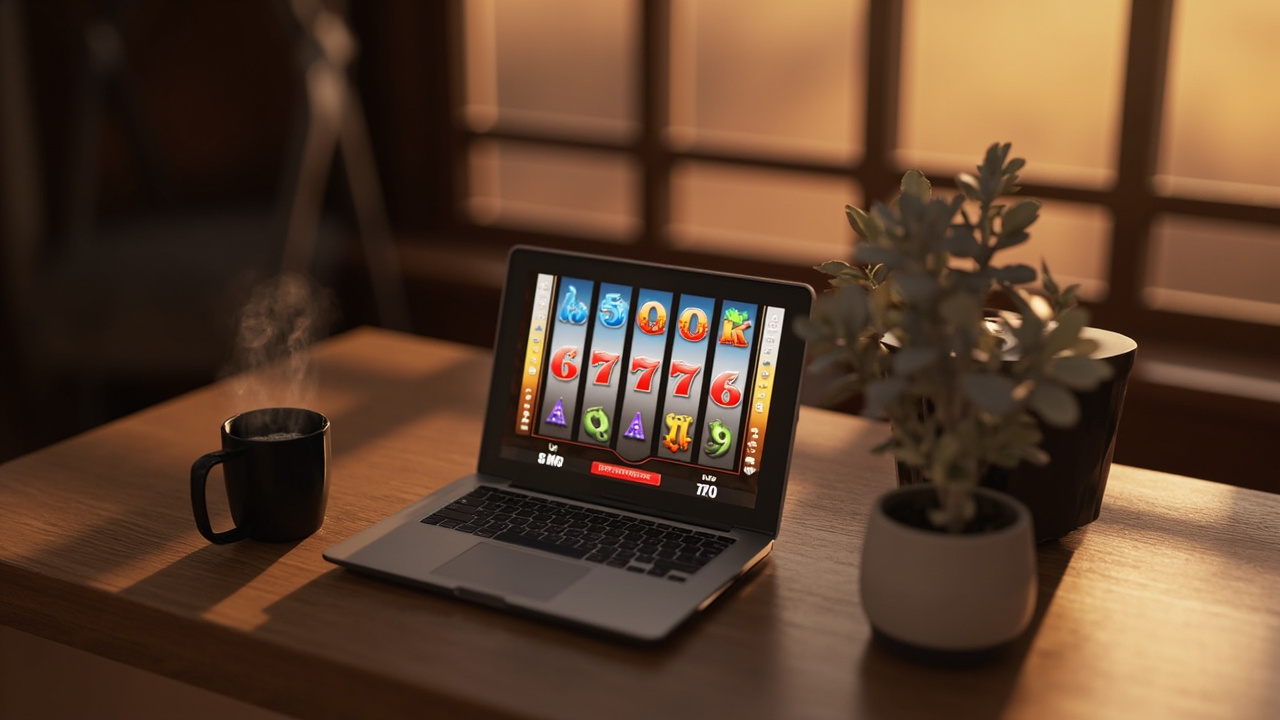
A progressive jackpot is built from a small slice of every qualifying bet, pooled across a network or kept within a single lobby. The size of that slice is the contribution rate, and it’s the number that decides how quickly a meter climbs. In a local or lobby-only setup, the pool resets to a seed amount after a win, then climbs again as bets come in. Wide-area progressives move slower but can reach larger totals because they draw from many rooms. The practical question for any player is whether the trigger is a random feature, a specific symbol combination, or a separate side game that costs extra. Each approach changes the hit frequency and the average bet required to stay in contention.
When I mapped out a typical lobby layout for a Sydney afternoon session, I noticed the prize meters were split across three tiers: a standalone local pool, a room-wide shared pool, and a wide-area top prize. That structure matters because it tells you where your money is going. A local pool tends to reset more often and pays smaller amounts, while a wide-area meter can sit flat for long stretches before jumping. Thomas King, Commercial Director, Federation Betting Insights, has noted that contribution rates are the part most players skip, and he’s right – a machine advertising a large jackpot can still be feeding that pool with a tiny percentage of each spin. If you’re weighing a session around a climbing prize, check whether the lobby shows the contribution rate next to the meter, because that figure is the only honest indicator of how fast the pool is actually moving.
The table below summarises the common pool types you’ll see in a well-organised lobby, with the practical details that matter more than the headline number.
| Pool type | Typical contribution | Reset behaviour | What it means for your session |
|---|---|---|---|
| Local / lobby-only | Small to moderate slice per qualifying bet | Resets to a seed after a win | Faster climbs, smaller tops, more frequent resets |
| Room-wide shared | Moderate slice across linked rooms | Resets to a seed, then rebuilds | Mid-range prizes, clearer visibility in one lobby |
| Wide-area network | Tiny slice per spin across many rooms | Resets to a seed, can grow large | Slow climbs, large tops, long dry spells possible |
A sensible session plan starts with the meter, not the theme. If the pool has been climbing for a while and the trigger is a random feature on a base-game spin, the bet size you choose changes your exposure more than it changes your odds. That’s the comparison I keep coming back to: a progressive is not a high-volatility slot with a bigger top line, it’s a separate prize mechanism with its own rules. Treat it that way and you’ll read the lobby far more accurately.
Reading the Lobby, the Game Mix, and Where Discovery Falls Down
A lobby built around progressive jackpot pokies needs more than a big top prize on the homepage. The game mix should give you a clear path through slots, a few table options for variety, and live content if that’s part of the room’s pitch. Providers matter because the same jackpot mechanic can feel very different depending on the maths under the hood. A lobby that sorts its titles by volatility, prize type, or provider makes it easier to find the machines that match your session plan. Search should let you filter by jackpot type, not just by theme, and discovery should show the current meter and trigger method before you open the game.
In practice, I’ve seen two very different lobbies side by side. One put every progressive into a single carousel with the current prize front and centre, then let you drill into the game for the trigger rules. The other buried the prize info three clicks deep and relied on banners to do the explaining. The first setup wins on clarity, even if the second one looks busier at first glance. A decent lobby will also separate local progressives from wide-area ones, because those two categories don’t belong in the same comparison. If you’re scanning a room after work on a Thursday arvo, you want the prize type, the seed amount, and the trigger method visible without having to open each title.
The list below covers the lobby details worth checking before you commit to a session around a progressive pool.Myths about online slots for Dutch
- Current meter shown on the lobby card, not only inside the game
- Contribution rate or pool type labelled clearly
- Separate sections for local, room-wide, and wide-area prizes
- Search filters for jackpot type, provider, and volatility
- Trigger method described in plain terms before you spin
A lobby that handles those points well makes the rest of the session easier to judge. The game mix still matters, but the prize structure is what defines whether a progressive session is worth your time. If the lobby forces you to hunt for the basics, the room is telling you something about how it treats the prize information.
Bet Size, Trigger Rules, and the Comparison That Matters
The bet size question is where most sessions go off track. A progressive jackpot is not automatically more accessible at a higher stake, and it’s not automatically out of reach at a lower one – the trigger rules decide that. Some pools fire on any qualifying bet, some require a maximum bet, and some run a separate side game with its own stake. That difference changes the cost of staying in contention far more than the advertised prize does. If you’re comparing two machines with similar-looking meters, the trigger rule is the detail that tells you whether the comparison is even fair.
I’ve used a simple comparison when judging a session: treat the progressive as a separate bet layer, not a bonus attached to the base game. That framing keeps the maths honest. A machine with a climbing pool can still be a low-contribution lobby prize, and a machine with a smaller top can be feeding its pool more aggressively. Thomas King, Commercial Director, Federation Betting Insights, has pointed out that players often confuse a large displayed jackpot with a high contribution rate, and that mistake leads to sessions built around the wrong expectation. The fix is straightforward: read the trigger rule, note the required bet, and decide whether the pool is local or wide-area before you commit.

Payments and registration should be clear enough that you’re not guessing about currencies or limits mid-session. A room that shows its accepted currencies, its deposit limits, and its verification steps up front makes it easier to judge whether a progressive session fits your plan. Mobile play should keep the same prize information visible, not shrink it into a carousel that hides the meter. Support and loyalty details matter too, but they’re secondary here – the core question is whether the prize structure is readable and whether the trigger rules match the bet sizes you’re comfortable with. If the room answers those points plainly, you can judge the session on its own terms instead of chasing a headline number.
What’s the one detail you check first when you’re sizing up a progressive jackpot pokie – the current meter, the trigger rule, or the contribution rate?